Dog Bite Injury Claims in Idaho - Laws and Compensation

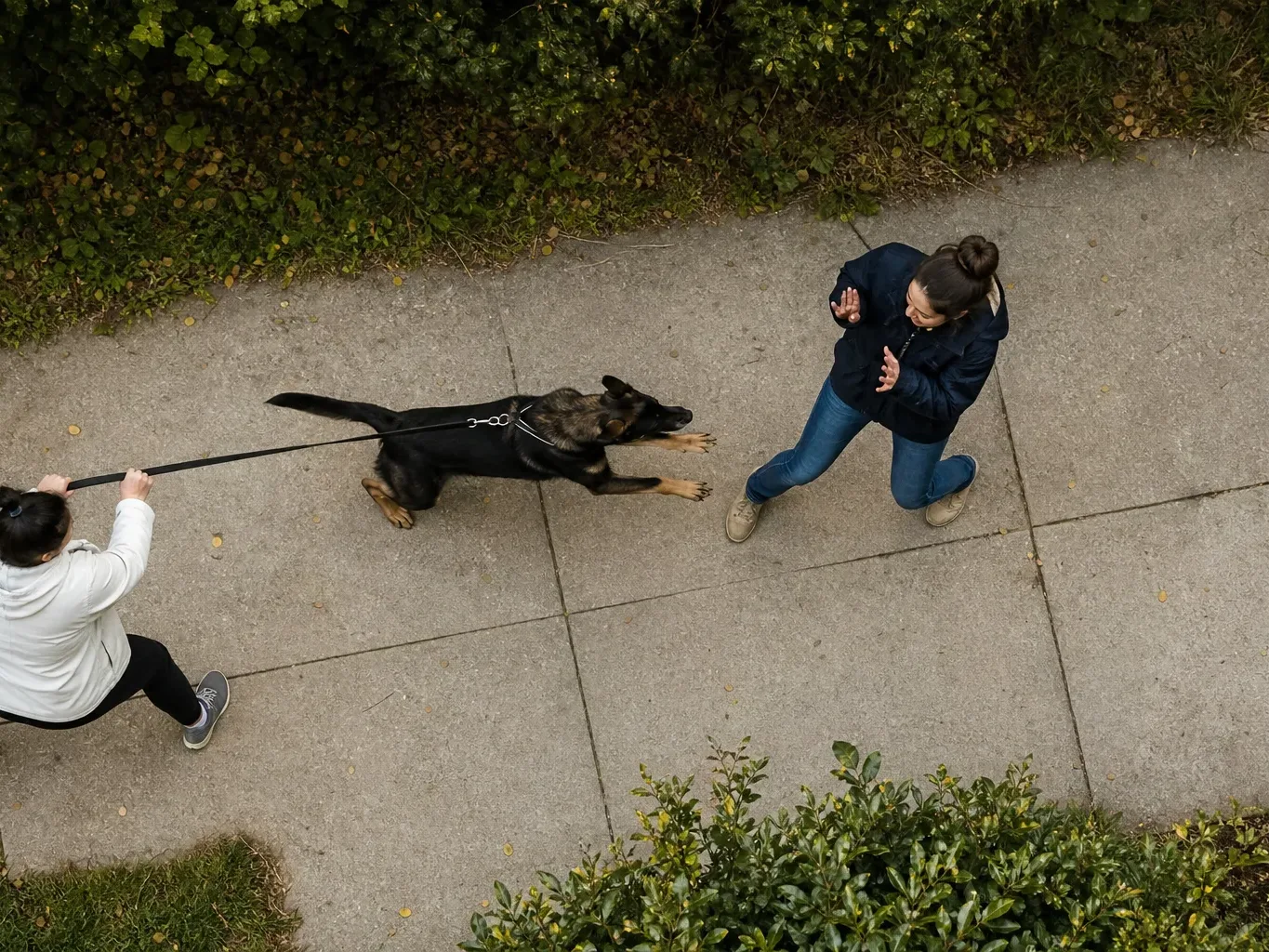
How Idaho Dog Bite Law Works
Idaho follows a one-bite rule combined with negligence principles rather than strict liability. That distinction matters enormously in practice. In strict-liability states, a dog owner is automatically responsible the first time their animal bites someone. Idaho requires the injured person to show that the owner either knew the dog had dangerous tendencies or failed to exercise reasonable care under the circumstances.
Owner knowledge of a dangerous propensity is the central issue in most Idaho dog bite cases. Evidence that a dog had previously growled, snapped, or bitten someone can establish that knowledge. Without that history, the claim may still succeed if the owner was negligent, for example by allowing a dog to run loose in a prohibited area or by failing to restrain an animal they knew was excitable around strangers.
The Negligence Path
Negligence claims require four elements: a duty of care, a breach of that duty, causation, and damages. A dog owner who lets their animal off-leash in a posted leash-required park breaches a clear duty. Connecting that breach to your bite injury is straightforward when the timeline and location are well documented.
Local ordinances in Boise, Nampa, and other Idaho municipalities sometimes impose stricter leash and containment rules than state law. Violating those ordinances can serve as evidence of negligence. Your attorney will check both state law and local code when building your claim.
Dog Bite Liability Laws Idaho
Idaho's liability framework rests on proving owner knowledge or negligence, not on the bare fact that a bite occurred. This places the burden squarely on the injured party to gather evidence early, before memories fade and physical evidence disappears.
Idaho's modified comparative fault rule can reduce or eliminate your recovery if you share responsibility for the incident. If you are found 51% or more at fault, you cannot recover anything. At 50% or less, your damages are reduced by your percentage of fault. Provocations like teasing, striking, or cornering a dog are common arguments insurers use to assign fault to the victim.
The statute of limitations for a personal injury claim in Idaho is 2 years from the date of injury under Idaho Code § 5-219. Missing that deadline almost always bars recovery entirely, regardless of how strong the underlying facts are. Start the claims process well before the two-year mark.

Dog Bite Injury Claim Process
Filing an Idaho dog bite injury claim follows a predictable sequence, but the quality of your documentation at each step determines how much leverage you carry into negotiations. The process typically runs 6–18 months from the date you hire an attorney, assuming the case resolves without trial. Cases that go to trial can take 2–4 years from the date of injury.
Step 1 - Seek Medical Care Immediately
Dog bites carry serious infection risk from bacteria including Pasteurella and, in rare cases, rabies exposure. Get evaluated the same day, even if the wound looks minor. Medical records from that first visit document the injury, establish the timeline, and connect the bite to your claimed damages.
Keep every bill, prescription receipt, and follow-up record. Future care costs, such as scar revision surgery or physical therapy, are also recoverable as economic damages.
Step 2 - Document the Scene and the Dog
Photograph the wound before it is cleaned and treated, and photograph it again over the following days as bruising and swelling develop. Get the owner's name, address, and insurance information at the scene. Identify the dog's breed, color, and any tags or registration information.
Speak to any witnesses before they leave. A neighbor who saw the dog charge at people before is potentially your most valuable asset for establishing prior dangerous propensity.
Step 3 - Report the Bite
Report the incident to your local animal control authority. In Idaho, animal control offices are typically operated at the county level. A formal report creates a government record that is harder to dispute later and may trigger an investigation into the dog's prior bite history.
Step 4 - Consult an Attorney Before Talking to Insurers
Insurance adjusters often contact bite victims quickly with recorded statement requests. Consult an attorney before giving any recorded statement to any insurance adjuster. Statements made without legal guidance can be used to reduce or deny your claim, particularly around questions of provocation or whether you had permission to be on the property.
Most Idaho personal injury attorneys handle dog bite claims on a contingency fee agreement, meaning you pay nothing upfront. Fees typically range from 33%–40% of the settlement. If the case goes to trial, that range rises to 40%–45% of the award. Initial consultations are free at most firms.

What Compensation Is Available
Economic damages in an Idaho dog bite case include medical expenses, lost wages, property damage, and future care costs. Non-economic damages cover pain and suffering, emotional distress, and loss of enjoyment of life. Idaho does not cap non-economic damages in most personal injury cases, which means severe disfigurement or lasting psychological harm can produce substantial awards.
Punitive damages are available only in rare cases involving malice or extreme recklessness, and they require court approval with proof by clear and convincing evidence under Idaho Code § 6-1604. The high standard means punitive damages come into play in only a small fraction of dog bite cases. That said, egregious facts, such as an owner who trained a dog to be aggressive and knowingly allowed it near children, can support a punitive claim.
When a Government Entity Is Involved
If the dog that bit you was owned by a state or local government entity, such as a police K-9, different rules apply. The Idaho Tort Claims Act (ITCA) governs suits against government bodies in Idaho. Under the ITCA, you must file a tort claim notice within 180 days of the injury before you can file a lawsuit. Missing that pre-suit notice deadline can bar your claim entirely, even if it would otherwise be valid.
Government dog bite cases are less common but involve strict procedural requirements that make early legal advice especially important. Personal injury cases in Idaho are filed in one of the 7 judicial districts, in the district court of the county where the injury occurred or where the defendant is located.

Building a Strong Claim
Evidence of the dog's prior behavior is the single most useful thing you can gather after medical treatment. Ask animal control whether the dog has a complaint history. Talk to neighbors. Search for social media posts by the owner that show the dog acting aggressively or that reference prior incidents.
Firms experienced in Idaho dog bite litigation know how to subpoena animal control records and depose neighbors who may have relevant firsthand knowledge. The faster you retain representation, the less risk there is of that evidence disappearing or witnesses becoming unavailable.
Frequently Asked Questions
What Is the Dog Bite Injury Claim Process in Idaho?
After a dog bite in Idaho, seek medical care immediately and document the wound thoroughly. Report the bite to your county animal control authority, gather witness information, and collect the dog owner's insurance details. Consult a personal injury attorney before giving any recorded statement to an insurer. Most claims resolve in 6–18 months from the date you hire an attorney; cases that go to trial typically take 2–4 years from the date of injury.
What Are the Dog Bite Liability Laws in Idaho?
Idaho follows a one-bite rule combined with negligence principles rather than strict liability. To recover compensation, you generally need to show that the owner knew the dog had dangerous tendencies or that the owner was negligent in controlling the animal. Idaho's modified comparative fault rule applies: if you are found 51% or more at fault, you cannot recover damages. At 50% or less at fault, your recovery is reduced by your share of fault.
How Long Do I Have to File a Dog Bite Injury Claim in Idaho?
Idaho's general personal injury statute of limitations is 2 years from the date of the bite under Idaho Code § 5-219. Missing this deadline almost always bars recovery entirely. If the dog was owned by a government entity, the Idaho Tort Claims Act requires you to file a tort claim notice within 180 days of the injury before you can sue.
What Compensation Can I Recover from an Idaho Dog Bite Claim?
Economic damages include medical expenses, lost wages, property damage, and future care costs such as scar revision or physical therapy. Non-economic damages cover pain and suffering, emotional distress, and loss of enjoyment of life. Idaho does not cap non-economic damages in most personal injury cases. Punitive damages are available only in rare cases involving malice or extreme recklessness, and they require court approval with clear and convincing evidence under Idaho Code § 6-1604.
How Much Does an Idaho Dog Bite Attorney Cost?
Most Idaho personal injury attorneys handle dog bite cases on a contingency fee agreement, so you pay nothing upfront. The standard fee is 33%–40% of the settlement amount. If the case goes to trial, the fee typically rises to 40%–45% of the award. Initial consultations are free at most firms, so you can discuss your options without any financial commitment.